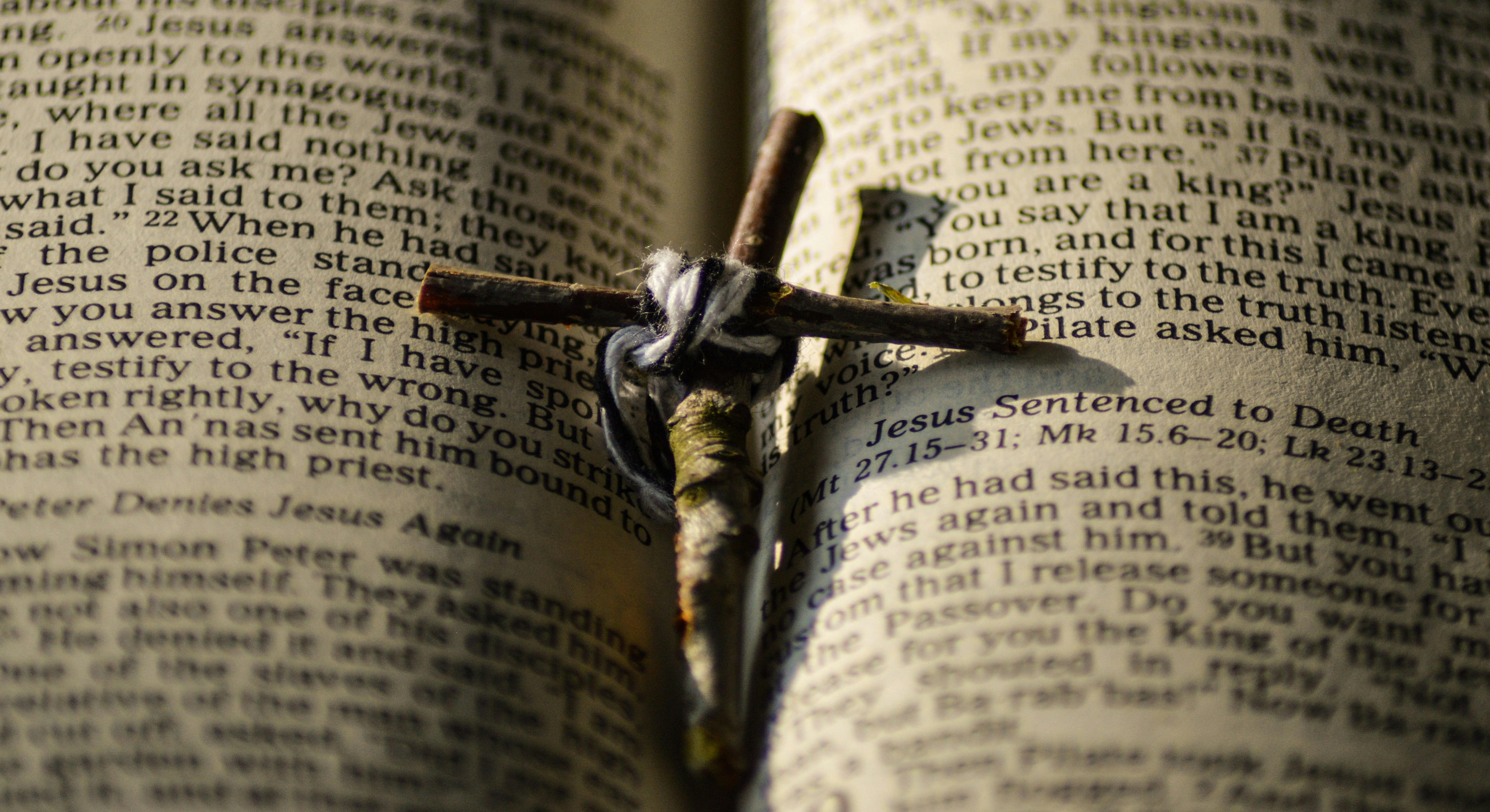
The Integrated Soul
Where Theology meets the body; insights on spiritual discipline and holistic vitality.

“The body is the harp of the soul; our spiritual discipline is the tuning, our daily acts of care the music. To neglect the strings is to mute the song of the spirit meant to be played in this world. Holistic vitality is not the balance of two separate scales—body and soul—but the recognition that they are one vessel. The water of spiritual life cannot be pure if the clay vessel is neglected, nor can the vessel hold meaning if it is never filled.” Dave Mbawa
The Neglected Junction
We live in an age of fragmentation. Our spiritual lives are often compartmentalized into Sunday mornings, quiet times and theological abstractions, while our physical existence is relegated to gym routines, dietary plans and doctor’s visits. This sundering has a cost: faith can become disembodied, a matter of intellect alone, while the body is seen as a mere shell, a temporary vessel prone to sin and decay.
But what if this division is a profound error? What if our theology is meant to be lived not only in our minds and spirits but breathed through our very sinew, bone and breath? The Integrated Soul emerges from the conviction that true vitality is found at the sacred junction where deep, thoughtful faith meets the tangible, physical reality of our being. This is a space where spiritual discipline fuels holistic health and where caring for the body becomes an act of worship, a testament to the Incarnation itself. Here on Motivational Corner, we explore practices, insights and wisdom that honour the whole person created, redeemed and indwelt by Spirit.
The Doctrine of Incarnation as a Wellness Mandate
The central claim of Christianity is not merely that God thought about us, but that He became one of us. The Word became flesh (John 1:14). This scandal of particularity elevates the physical body from a temporary prison to a temple of the Holy Spirit (1 Corinthians 6:19). This theology transforms daily acts; eating, sleeping, moving into sacred rituals. Choosing nourishing food becomes stewardship of God’s dwelling place.
Prioritizing sleep honours the Creator who designed us for rhythm and rest. Emotional/Spiritual advantage dismantles gnostic guilt about bodily pleasures and needs. It fosters gratitude for the physical senses as gifts through which we experience God’s good world, leading to a more embodied, joyful faith.
Fasting as Neural & Spiritual Reset
Fasting, a cornerstone of spiritual discipline, is a prime example of integration. While its primary aim is to cultivate dependence on God and purity of prayer, it triggers powerful physiological cascades: cellular cleansing, improved insulin sensitivity and mental clarity. A structured, gentle fast (e.g., 12-16 hours) is not self-punishment but a conscious unhooking from the tyranny of constant consumption.
It creates space to ask, “What am I truly hungry for?” The physical hunger pangs become prayer prompts. The bodily weakness leads to spiritual strength, tangibly teaching that “man shall not live by bread alone” (Matthew 4:4). Discipline of the body directly trains the soul’s appetite for God.
Embodied Prayer: Beyond the Mind’s Chatter
When prayer is confined to silent thought, it can become trapped in cognitive loops. Embodied prayer using posture (kneeling, raised hands), breath prayer (syncing short petitions with inhalation/exhalation), or walking a prayer labyrinth, engages the somatic nervous system. Try the ancient “Orans” posture (standing with palms open and raised) for 5 minutes of thanksgiving.
The physical posture of receptivity can shape an interior posture of the heart. This practice acknowledges that we are not floating minds. Anxiety and peace are held in the body; by praying with the body, we invite God’s peace to descend into our very musculature and breath, grounding our spirituality in physical reality.
Sabbath Rest as Parasympathetic Activation
The Sabbath commandment is theological wisdom with a built-in biological prescription. The mandate to cease work triggers our parasympathetic nervous system, the “rest and digest” state countering the chronic “fight-or-flight” mode of modern life. A true Sabbath includes a digital sunset, leisurely meals and activities that restore rather than consume (nature walks over Netflix binges).
Honouring the Sabbath is an act of trust that the world is upheld by God, not by our striving. The physical rest it enforces lowers cortisol, boosts immunity and renews the mind, making it a holistic reset that models God’s own rhythm of work and rest.
Lament as a Pathway to Emotional and Physical Release
Biblical lament (see Psalms, Lamentations) is a full-bodied spiritual practice. It involves giving voice to pain, confusion and anger before God. Suppressing these emotions creates toxic stress, contributing to inflammation, tension and illness. Write your own raw psalm of lament. Speak it aloud. Give your grief a channel.
Lament validates our embodied experience of a broken world. By offering our pain to God, we prevent it from being stored destructively in our bodies. This sacred expression can release emotional and physical tension, integrating our suffering into our faith rather than letting it fracture us.
Communal Worship as a Regulator of Nervous System Co-regulation
We are designed for connection. Corporate worship, singing, sharing communion, praying in unison isn’t just a spiritual event; it’s a biological one. Synchronized activities like communal singing regulate heart rates and breath, promoting “co-regulation” of nervous systems. Prioritize physical presence in a faith community. Engage fully: sing aloud, take communion, share the peace.
This counters the isolation and hyper-individualism that plague modern health. In a regulated, connected community, we find a foretaste of the Shalom God intends, wholeness that is simultaneously spiritual, emotional and physical.
Stewardship of Creation as an Extension of Self-Care
The command to “till and keep” the garden (Genesis 2:15) links human flourishing with the health of the physical world. Gardening, hiking or simply tending a houseplant roots us in the created order. Practice “earthing” by walking barefoot on grass. Plant something and tend to it.
This stewardship role fosters humility, patience and a visceral connection to God as Creator. Physically engaging with soil has been shown to boost mood (via microbes like M. vaccae) and reduce stress, tangibly linking the care of our ecosystem to the care of our own embodied souls.
The Discipline of Silence and Its Effect on Cognitive Load
“Be still, and know that I am God” (Psalm 46:10) is both an invitation and a neurological intervention. Intentional silence, away from the cacophony of media and internal chatter, lowers cognitive load, reduces cortisol and allows for neuroplasticity. Start with 5 minutes of sitting in complete silence each day, focusing only on your breath as a gift from God.
In the stillness, we create space for the “still, small voice.” This practice of hesychia (sacred quiet) combats the fragmentation of attention, allowing for integrated thought, clearer prayer and a nervous system calibrated for presence rather than reactivity.
Gratitude as a Neurological and Spiritual Antidote
The apostolic command to “give thanks in all circumstances” (1 Thessalonians 5:18) is proven to rewire the brain, strengthening neural pathways for positivity and reducing activity in stress-prone regions like the amygdala. Keep a nightly gratitude journal, listing three specific, physical things you experienced that day (e.g., the warmth of sun, the taste of water, a loved one’s smile).
Gratitude is the immune system of the soul. It forcibly redirects our gaze from what we lack to the abundance of God’s provision in the tangible present. This practice integrates a spiritual command with a powerful tool for mental and emotional resilience.
Service as a Catalyst for Purpose and Longevity
“For we are his workmanship, created in Christ Jesus for good works” (Ephesians 2:10). Using our physical strength and time in service to others from manual labour to visiting the lonely, provides a profound sense of purpose (ikigai), which is strongly correlated with longevity and health.
Choose a form of service that uses your body: building, cooking for others, walking with someone who is grieving. Service gets us out of the confines of self-focused anxiety. It aligns us with God’s redemptive action in the world, providing deep existential meaning that nourishes the soul and studies show, literally helps the body thrive.
Conclusion: The Whole Offering
The journey of the integrated soul is not about adding spiritual tasks to a wellness checklist, or vice versa. It is the slow, graceful work of realizing that these domains were never meant to be separated. Our bodies are not regrettable distractions from spiritual life; they are the very instruments through which our faith is played out in the symphony of daily existence.
When we pray with our breath, fast with our bodies, rest in trust, lament with our voices and serve with our hands, we offer a whole offering to the God who made and redeemed the whole person.
This integration is the path to holistic vitality; a resilience that is spiritual without being disengaged and physical without being shallow. It is here, in the diligent and joyful knitting together of theology and flesh, that we find not just a better life, but a truer, more abundant life, one that honours the Creator in spirit and in truth.